



Blog, Cat, English Blog
How to Use Cat Litter in Right Way for long last performance: A Complete Guide to Pea Husk Litter
Oct
Choosing the right cat litter is only half the job. Using it correctly helps keep your cat’s litter box clean, makes daily maintenance easier and helps you get the most out of every pack.
Whether you are setting up your cat’s first litter box or switching to a plant-based alternative, this guide explains how to use cat litter, how often to scoop it, how to manage odours, and how to store and dispose of used litter responsibly.
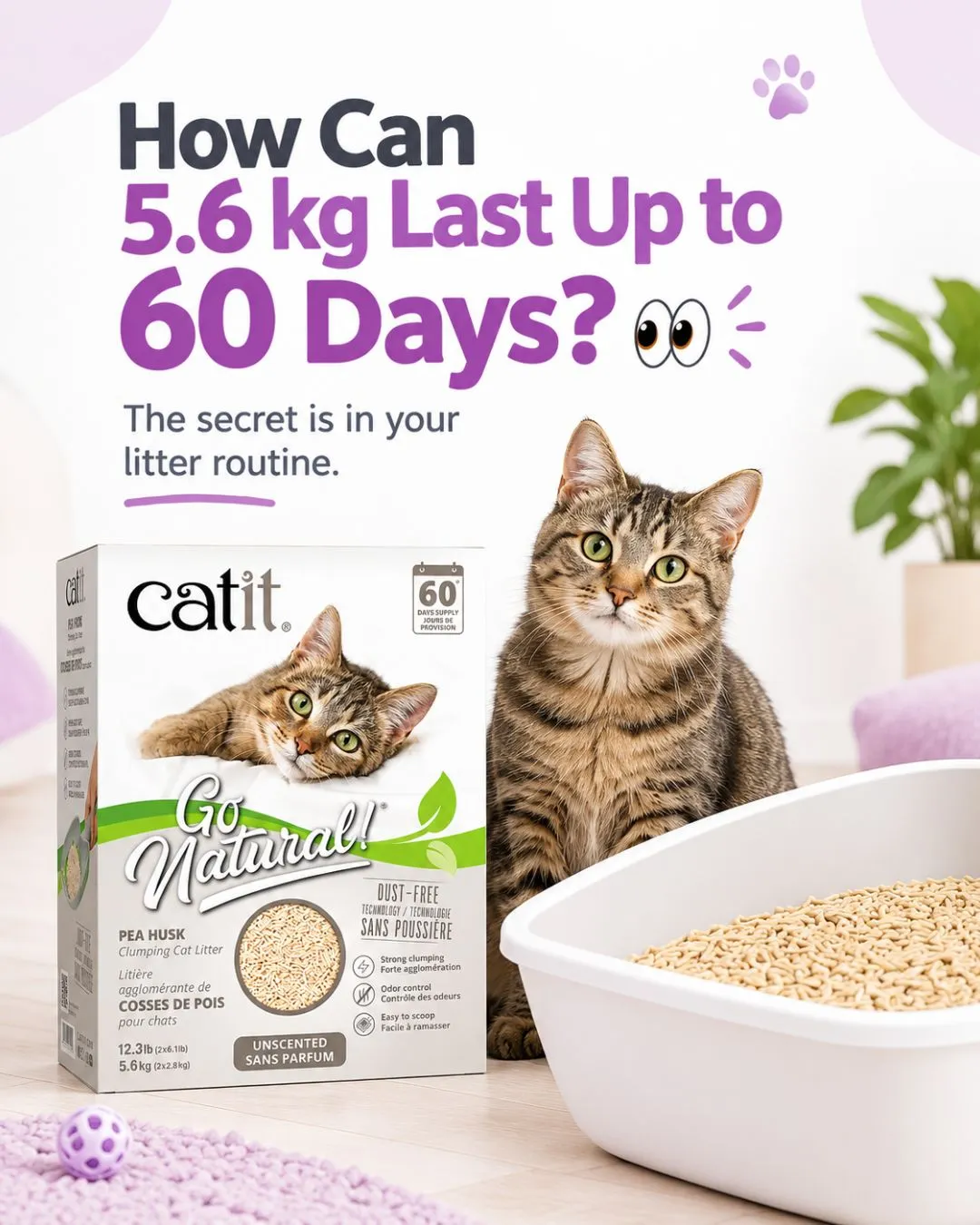
We’ll use Catit Go Natural Pea Husk Cat Litter, available at Maple Pets International, as an example throughout the guide. Catit states that one 5.6 kg pack can last up to 60 days for an average single cat, although actual usage varies from household to household.
What Is Pea Husk Cat Litter?
Pea husk cat litter is a plant-based litter made using recycled pea husks that would otherwise go to waste. Catit Go Natural Pea Husk Litter combines pea husks with natural clumping agents such as starch, corn powder and guar gum.
The ingredients form soft, cylindrical pellets designed to absorb moisture, create clumps and make everyday litter-box cleaning easier.
Catit’s pea husk litter features pellets approximately 1.5 mm in diameter. According to the brand, this refined pellet size helps the litter absorb up to 300% of its own weight.
Key Benefits of Catit Go Natural Pea Husk Cat Litter
- Strong clumping: The absorbent pellets form clumps that can be removed during daily scooping.
- Low-dust design: The fine pellet structure is designed to minimise dust during normal use.
- Natural odour control: The litter helps manage unpleasant litter-box smells without requiring added fragrance in the Unscented variant.
- Easy scooping: The pellets are designed to form clumps without sticking easily to the litter box.
- Reduced tracking: The smooth pellet structure helps minimise litter carried outside the tray.
- Plant-based ingredients: Recycled pea husks provide an alternative to conventional mineral-based litter.
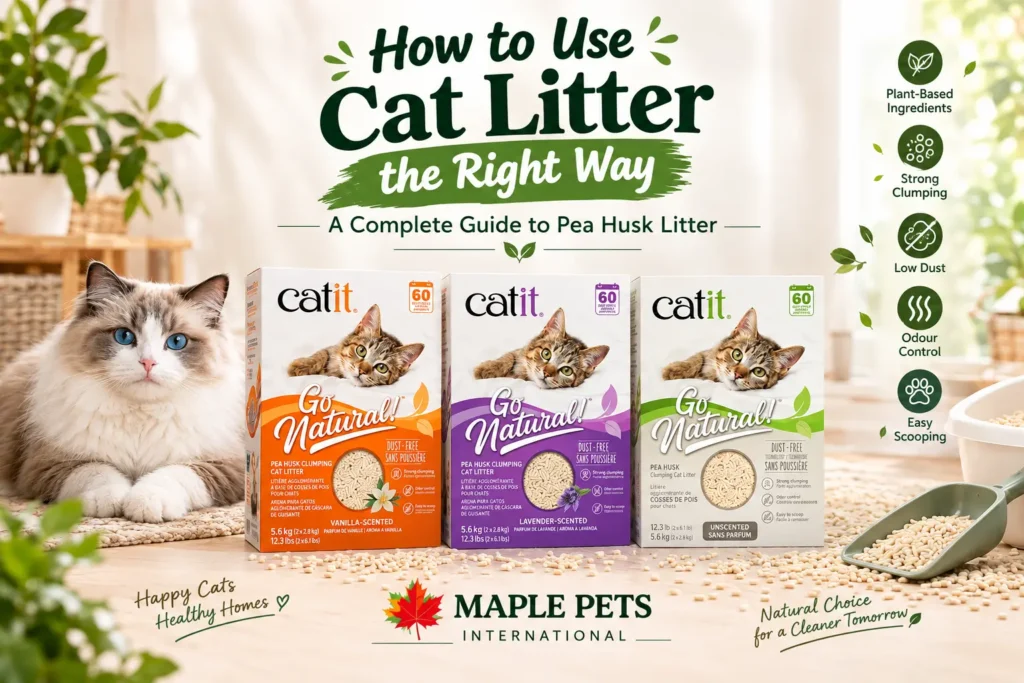
Catit Go Natural Pea Husk Cat Litter is available in Unscented, Vanilla and Lavender variants. Choose the option that best suits your household and your cat’s preferences.
What You Need Before You Start
Before filling your cat’s litter box, keep these essentials ready:
- A clean, dry litter box that gives your cat enough room to turn around and dig comfortably.
- A litter scoop with openings suitable for the pellet size.
- A litter mat to help catch stray pellets.
- A waste bin or suitable bags for disposing of used litter.
- Catit Go Natural Pea Husk Cat Litter or your preferred litter.
Keeping these items together makes daily cleaning simpler and more consistent.
How to Use Cat Litter: Step-by-Step Guide
Step 1: Choose the Right Location
Place the litter box in a quiet, accessible and well-ventilated area. Avoid placing it directly beside your cat’s food and water bowls.
Cats generally prefer a location where they can use the box without being disturbed. Avoid noisy appliances, busy walkways and places where your cat might feel trapped.
If you have multiple cats, consider providing additional litter boxes in separate, accessible locations.
Step 2: Start with a Clean, Dry Litter Box
Before adding fresh litter, make sure the box is clean and completely dry.
Wash it with mild, unscented soap when necessary, rinse thoroughly and allow it to dry before refilling. A wet base can encourage litter to stick and make clumps harder to remove.
Avoid strong fragrances or harsh cleaning products that may discourage your cat from using the box.
Step 3: Add Enough Litter for Comfortable Digging
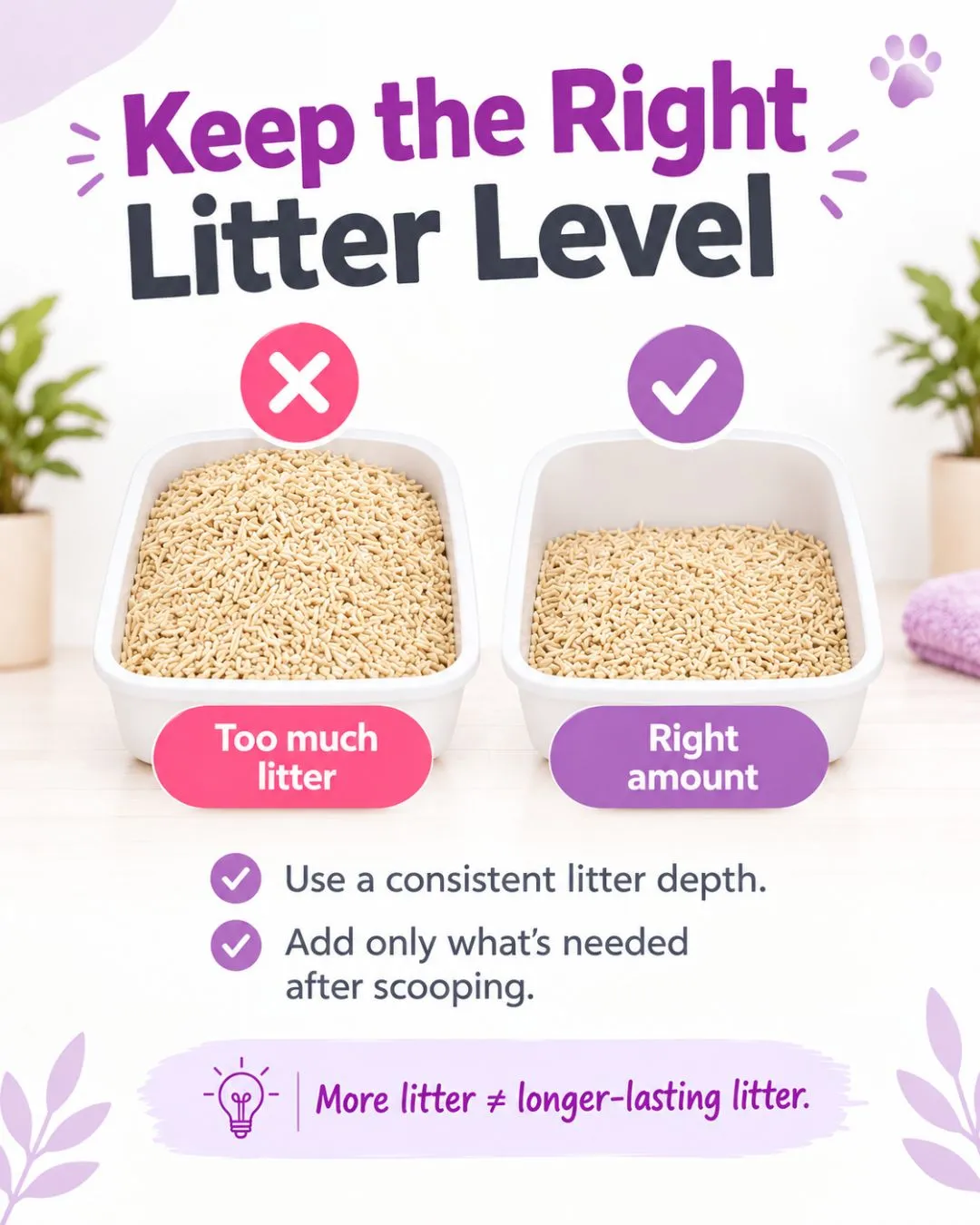
Pour the litter into the box and create an even layer that allows your cat to dig and cover its waste comfortably.
A depth of approximately 5–7 cm (2–3 inches) can be a practical starting point, but the ideal amount depends on the tray, the litter and your cat’s digging habits. Treat this as general guidance rather than a product-specific depth instruction from Catit.
Avoid using too little litter, as wet clumps may reach the bottom and become difficult to remove. At the same time, there is no need to fill the tray unnecessarily deeply.
Catit Go Natural Pea Husk Cat Litter comes in a 5.6 kg pack containing two 2.8 kg bags. Start by adding enough litter for your box, then keep the remaining bag sealed for future top-ups.
Important: Pack weight alone does not determine how much area the litter will cover. The result depends on the size and shape of your litter box and the depth you use.
Step 4: Let Your Cat Explore the New Litter
Give your cat time to investigate the box. Do not force it to enter or dig in the new litter.
If your cat is already comfortable with another type of litter, make the transition gradually. Some cats accept a new texture quickly, while others need more time.
Keep the litter box accessible and monitor whether your cat continues to use it normally.
Step 5: Scoop the Litter Daily
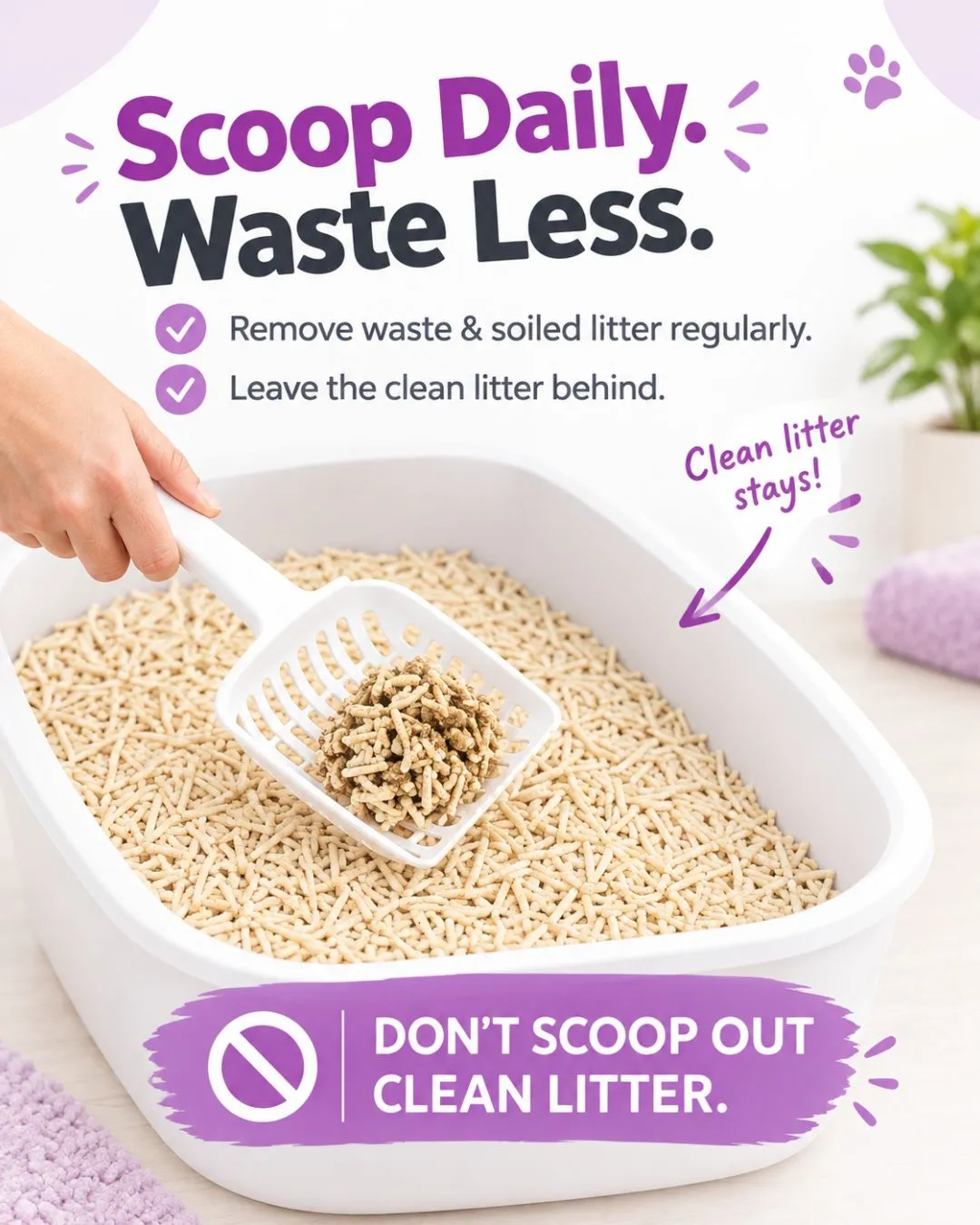
Regular scooping is one of the most important parts of litter-box care.
Catit recommends scooping its Go Natural Pea Husk Litter once a day for the best results.
Use a suitable scoop to remove urine clumps and solid waste. Handle the scoop gently so that clean pellets fall back into the tray while the used clumps are removed.
Daily cleaning helps prevent waste from accumulating and makes it easier to notice changes in your cat’s litter-box habits.
Step 6: Top Up with Fresh Litter
After scooping, check the remaining litter level and add fresh litter as required.
Small top-ups help maintain a consistent layer without unnecessarily replacing all the litter. Keep the box clean and ensure there is enough litter for your cat to dig comfortably.
The amount you need will depend on how much waste you remove and how frequently your cat uses the box.
Step 7: Replace the Litter When Needed
Daily scooping and regular top-ups help maintain the litter, but they do not eliminate the need to clean the box.
Consider a full litter change and box cleaning when:
- The remaining litter becomes damp or heavily soiled.
- Unpleasant smells persist despite regular scooping.
- The litter becomes difficult to manage or clumps no longer separate cleanly.
- The box needs washing as part of your normal cleaning routine.
Empty the box, wash it with a mild cleaner, rinse it thoroughly and dry it completely before adding fresh litter.
There is no single full-refresh schedule that works for every cat and household. Follow the product instructions and adjust your routine based on the condition of the litter.
Step 8: Dispose of Used Litter Responsibly
Place used litter and waste in a suitable bag and dispose of it according to your local waste-management rules.
Catit describes its pea husk litter as flushable under certain conditions, but the brand recommends putting used litter in the trash instead.
For this reason, bin disposal is the preferred approach. Do not assume that biodegradable or water-soluble litter is suitable for every toilet, drain or sewage system.
Avoid flushing large quantities, and follow local regulations and the manufacturer’s instructions.
How Long Does One 5.6 kg Pack of Cat Litter Last?
Catit states that one 5.6 kg pack of Go Natural Pea Husk Cat Litter can last up to 60 days for an average single cat.
This is an estimate, not a guaranteed duration for every home.
The actual lifespan depends on several factors:
| Factor | How it affects usage |
|---|---|
| Number of cats | More cats generally mean faster litter consumption. |
| Litter-box size | A larger tray may require more litter to establish a comfortable layer. |
| Frequency of use | More frequent urination and defecation increase waste removal. |
| Scooping routine | Regular scooping and appropriate top-ups help manage the remaining litter. |
| Cat’s individual habits | Water intake and individual toileting patterns can affect usage. |
To make your pack last efficiently, remove used clumps daily, top up only as needed and keep unused litter protected from moisture.
Do not compromise on cleanliness or the amount of litter your cat needs simply to reach a particular number of days.
How to Switch Your Cat to Pea Husk Litter
Some cats are sensitive to changes in litter texture or fragrance. A gradual transition can help reduce disruption.
1. Introduce the New Litter Gradually
If possible, offer a second litter box containing the new litter alongside the existing box. This allows your cat to explore the new option without losing access to its familiar litter.
2. Observe Your Cat’s Response
Watch whether your cat enters the new box, digs normally and continues to use the litter box consistently.
Do not rush the process. If your cat avoids the new litter, continue offering the familiar option.
3. Adjust the Transition Slowly
If your cat tolerates the new litter, you can gradually introduce more of it into the familiar setup, provided the litter types are suitable for mixing.
Alternatively, keep both boxes available until your cat consistently prefers the new one.
4. Avoid Forcing the Change
If your cat appears uncomfortable or starts avoiding the litter box, slow down the transition and reassess the setup.
If litter-box avoidance continues, or your cat strains to urinate, seeks the box repeatedly without producing urine, or shows signs of pain, contact a veterinarian promptly. Difficulty urinating can be an emergency, particularly in male cats.
Common Cat Litter Mistakes to Avoid
Even a good-quality litter needs proper maintenance. Avoid these common mistakes:
- Using too little litter: Provide enough depth for comfortable digging and covering.
- Skipping daily scooping: Remove waste regularly to help control odours.
- Refilling a wet box: Always dry the box completely before adding fresh litter.
- Using strongly scented cleaners: Residual fragrance may discourage some cats from using the tray.
- Changing litter suddenly: Introduce a new litter gradually whenever possible.
- Ignoring persistent smells: Check the litter, box and surrounding area instead of simply adding more fragrance.
- Flushing used litter without checking: Follow the product instructions and local disposal rules.
- Leaving the pack exposed to humidity: Reseal opened packaging to help protect unused litter.
How to Store Cat Litter Correctly
Correct storage helps keep unused litter in good condition.
Keep Catit Go Natural Pea Husk Cat Litter in a cool, dry place away from direct moisture. After opening a bag, seal it tightly or transfer the remaining litter to a suitable airtight container.
Humidity can affect the condition of plant-based litter, so take extra care during the monsoon or in particularly damp rooms.
Keep the litter away from food preparation areas and out of reach of children and pets. Always follow the packaging instructions.
Cat Litter Safety Tips
Catit Go Natural Pea Husk Cat Litter uses pea husks and natural clumping ingredients, but the product is intended for litter-box use, not consumption.
Keep these precautions in mind:
- Prevent your cat from deliberately eating the litter.
- Contact your veterinarian if your cat swallows a significant amount or develops symptoms after ingestion.
- Store plastic packaging safely and keep bags away from young children and pets.
- Wash your hands after cleaning the litter box.
- If your cat has allergies or other health concerns, consult your veterinarian before changing litter.
A low-dust litter may help reduce airborne dust during use, but it should not be described as completely risk-free or guaranteed to prevent allergies.
Unscented, Vanilla or Lavender: Which Should You Choose?
Catit Go Natural Pea Husk Cat Litter comes in three options to suit different preferences.
Unscented Pea Husk Cat Litter
The Unscented variant contains no added fragrance. It is a useful option for households that prefer to avoid scented litter or for cats that appear sensitive to fragrances.
Explore Catit Go Natural Unscented Pea Husk Cat Litter at Maple Pets
Vanilla Pea Husk Cat Litter
The Vanilla variant offers a subtly scented option for households that prefer a fragranced litter. As with any scented product, monitor your cat’s response after introducing it.
Lavender Pea Husk Cat Litter
The Lavender variant offers a light floral fragrance. Catit states that the purple colour comes from a food-grade pigment.
If you are unsure which option your cat will prefer, start with the unscented variant and observe its response.
Final Thoughts
Using cat litter correctly comes down to a few consistent habits: choose a suitable litter box, maintain a comfortable layer of litter, scoop daily, top up when necessary and keep unused litter dry.
Catit Go Natural Pea Husk Cat Litter combines recycled pea husks, fine pellets, clumping performance and three fragrance options for everyday litter-box care. Catit states that a 5.6 kg pack can last up to 60 days for an average single cat, although your results may vary.
If you are looking for a plant-based litter option for your cat, explore the Cat Litter range at Maple Pets International and choose the option that suits your household.
A consistent cleaning routine and a litter your cat is comfortable using can make everyday litter-box care easier for both of you.
Frequently Asked Questions About Cat Litter
How much cat litter should I put in the box?
Add enough litter to provide a comfortable digging and covering layer. Approximately 5–7 cm can be a practical starting point, but adjust it to the tray, product instructions and your cat’s preferences.
How often should I scoop cat litter?
Catit recommends scooping its Go Natural Pea Husk Cat Litter once a day for the best results. More frequent cleaning may be useful in busy multi-cat households.
How long does a 5.6 kg pack of Catit litter last?
Catit states that a pack can last up to 60 days for an average single cat. Actual duration depends on litter-box size, usage, the number of cats and your cleaning routine.
Is pea husk cat litter biodegradable?
Catit Go Natural Pea Husk Litter is made using recycled pea husks and natural clumping agents. Its plant-based ingredients do not mean every used-litter disposal method is suitable. Follow the manufacturer’s instructions and local waste rules.
Can Catit Go Natural Pea Husk Litter be flushed?
Catit states that the litter can be flushed under certain conditions but recommends disposing of used litter in the trash instead. Bin disposal is the preferred option.
Is Catit Go Natural Pea Husk Litter dust-free?
Catit promotes its pea husk litter as dust-free or very low-dust, depending on the product listing. No litter should be assumed to be completely free of airborne particles in every situation.
Is pea husk litter safe if my cat eats a little?
The litter is made using food-grade clumping ingredients, but it is not intended to be eaten. Prevent ingestion and contact your veterinarian if your cat swallows a significant amount or develops symptoms.
Is pea husk litter suitable for multiple cats?
It may be suitable for multi-cat households, but litter consumption will generally increase with the number of cats. Provide sufficient litter boxes, scoop regularly and expect each pack to last for less time than in a single-cat home.
Should I choose scented or unscented cat litter?
Choose based on your cat’s preferences and your household’s needs. Unscented litter avoids added fragrance, while Vanilla and Lavender offer scented alternatives. If your cat avoids a scented product, consider switching back to unscented litter gradually.